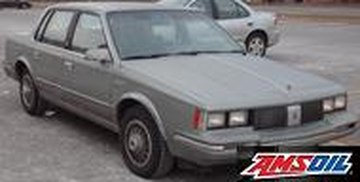
Maintaining Lubrication Standards for the 1982 Oldsmobile CIERA 4.3L Diesel
Proper engine maintenance is a cornerstone of long-term vehicle health, particularly when managing specialized powerplants. For owners of the 1982 Oldsmobile CIERA equipped with the 4.3L Diesel engine, staying informed about lubrication requirements and routine inspection protocols can help ensure the vehicle remains operational and efficient. Because diesel engines operate under different mechanical stresses than gasoline counterparts, a disciplined approach to fluid management is essential.Monitoring Fluid Integrity and Condition
A proactive approach to maintenance involves more than just following a schedule; it requires active observation of the vehicle's operating fluids. For this 4.3L Diesel application, the condition of the engine oil can provide significant insight into the internal state of the engine. When performing routine checks, observe the color and consistency of the lubricant. While diesel oil often appears darker more quickly than gasoline-engine oil due to the nature of diesel combustion, any sudden or extreme changes in appearance should be noted. For instance, if the oil takes on a milky or cloudy appearance, this can be associated with coolant entering the lubrication system. Conversely, an unusually strong smell of fuel within the oil may indicate issues with fuel system sealing or injector performance. Beyond color and odor, checking for unusual lubricant consumption is a vital part of ownership. If you find that the oil level is dropping more rapidly than expected between service intervals, it warrants a thorough inspection of the engine for potential leaks or other causes.Systematic Inspection of Engine Components
Regular visual inspections can help identify potential issues before they escalate into significant mechanical concerns. When working around the 4.3L Diesel engine, focus on areas where fluid seepage might occur.- Gaskets and Seals: Inspect various gaskets and seals for signs of age-related seepage or leakage. Even small amounts of oil weeping from a seal can eventually lead to lower fluid levels if left unaddressed.
- Hoses and Connections: If present, examine engine hoses for signs of cracking, softening, or bulging. Ensure that any visible connections remain secure and free of debris.
- Electrical and Wiring: Inspect accessible wiring and electrical connectors for signs of fraying, heat damage, or corrosion. Maintaining clean and secure electrical paths is important for the overall reliability of engine management components.
- External Cleanliness: Keeping the engine area relatively clean can make it much easier to spot new leaks or the accumulation of debris that could interfere with cooling or mechanical movement.